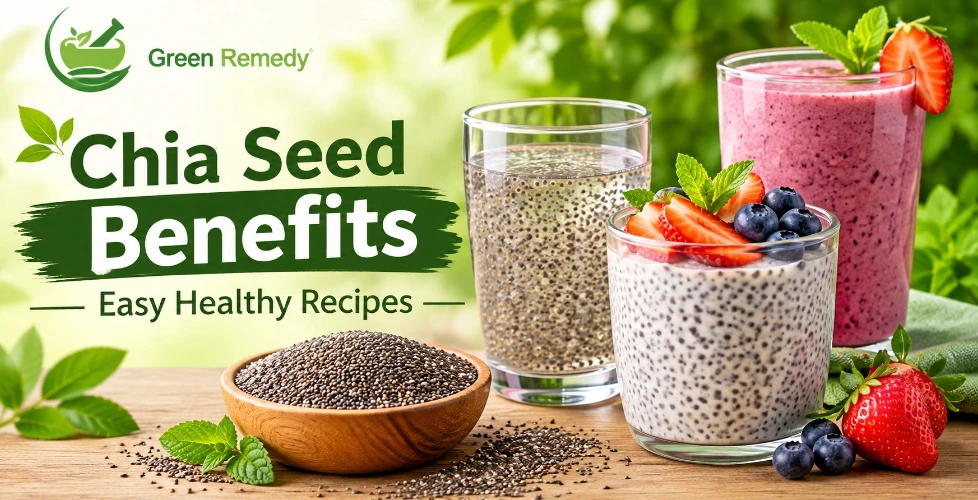
Chia seeds are small but powerful nutritional ingredients that have become popular among people who want to improve their eating habits. These tiny seeds contain dietary fiber, plant-based protein, omega-3 fatty acids, antioxidants, and essential minerals. They can be included in different meals, making them a convenient option for breakfast, snacks, and homemade drinks.
Although chia seeds have been consumed for thousands of years, their popularity continues to grow because of their nutritional value and versatility. From creamy chia pudding to refreshing fruit smoothies, there are many delicious ways to enjoy them.
Understanding how you eat chia seeds, how much nutrition they provide, and how to prepare them correctly can help you make better dietary choices. You may also be searching for what does chia seeds taste like, how long they remain fresh, and how much protein and fiber they contain.
This guide explores the nutritional benefits of chia seeds, their different varieties, practical ways to include them in your meals, and easy recipes you can prepare at home.
What Are Chia Seeds?
Chia seeds are edible seeds obtained from the Salvia hispanica plant, which belongs to the mint family. They are traditionally associated with Mexico and Guatemala, where they have been consumed for centuries.
Historically, chia seeds were an important food source for ancient civilizations, including the Aztecs and Mayans. Today, they are widely used in smoothies, breakfast bowls, baked goods, puddings, and other healthy recipes.
One of their most interesting characteristics is their ability to absorb liquid. When placed in water or milk, they develop a soft gel-like coating and become thicker. This property makes them especially useful for preparing overnight puddings and nutritious drinks.
Chia seeds are also naturally gluten-free and can fit into vegetarian, vegan, and many other balanced eating plans.
Different Types of Chia Seeds
There are two commonly available varieties of chia seeds, black and white. Both come from the same plant species and offer similar nutritional benefits, so there is no significant nutritional advantage to choosing one color over the other. Select either variety according to availability, personal preference, and price.
- Black chia seeds: Commonly found in grocery stores and health food shops. They contain fiber, protein, healthy fats, and essential minerals.
- White chia seeds: A lighter appearance but almost the same nutritional composition as black chia seeds.
Nutritional Benefits of Chia Seeds
Chia seeds are considered nutrient-dense because they contain several important nutrients in a relatively small serving. Including them in a balanced diet can help improve your overall nutrient intake.
1. Supports Digestive Health
One of the most recognized benefits of chia seeds is their high dietary fiber content, which plays an important role in maintaining digestive regularity. If you are researching fiber in chia seeds, you will find that approximately two tablespoons (28 grams) provide around 9.8 grams of dietary fiber.
Chia seeds contain both soluble and insoluble fiber. Soluble fiber absorbs water and forms a gel-like substance, while insoluble fiber adds bulk to stool. Regularly including appropriate amounts of fiber-rich foods in your diet may help:
- Maintain regular bowel movements.
- Support beneficial gut bacteria.
- Improve overall digestive regularity.
- Increase feelings of fullness.
- Support a balanced digestive system.
2. Provides Plant-Based Protein
Protein is essential for muscle maintenance, tissue repair, and several important processes in the body. People following vegetarian or vegan diets can use chia seeds as an additional source of plant-based protein.
If you are wondering how much protein in chia seeds you actually get, a serving of approximately 28 grams provides around 4.7 grams of protein. Although this is a useful contribution, chia seeds should be combined with other protein-rich foods, such as lentils, beans, eggs, dairy products, tofu, and nuts.
3. Contains Healthy Omega-3 Fatty Acids
Chia seeds are an excellent plant-based source of alpha-linolenic acid (ALA), an essential omega-3 fatty acid. ALA supports normal body functions and contributes to a healthy dietary fat intake. Since the human body cannot produce sufficient amounts of this essential fatty acid, it must come from food.
Adding chia seeds to breakfast bowls, smoothies, or yogurt is a convenient way to increase your consumption of plant-based omega-3 fats.
4. Provides Antioxidants
Chia seeds contain naturally occurring antioxidant compounds, including chlorogenic acid, caffeic acid, quercetin, and myricetin. Antioxidants help protect cells against oxidative stress caused by unstable molecules known as free radicals.
These compounds are being investigated for their potential health effects. However, more human research is needed to establish how much of these benefits occur through eating chia seeds as part of an everyday diet.
5. May Help With Weight Management
Chia seeds can be a useful ingredient in meals designed to support weight management. Their combination of fiber, protein, and healthy fats may help increase fullness after eating. When soaked in liquid, they also develop a thicker consistency that can make meals more satisfying. You can include them in:
- Greek yogurt with fresh fruit.
- Banana and chia smoothies.
- Homemade overnight oats.
- Unsweetened chia pudding.
- Whole-grain breakfast bowls.
However, chia seeds do not directly burn body fat. Sustainable weight management depends on overall eating habits, physical activity, sleep, and consistent lifestyle choices.
6. Contributes to Bone Health
Chia seeds contain calcium, phosphorus, and magnesium, which are important nutrients for maintaining healthy bones. Adding them to a varied diet alongside milk, yogurt, leafy green vegetables, and other mineral-rich foods can help support your nutritional requirements.
Nutritional Value of Chia Seeds
The chia seeds nutrition profile combines protein, dietary fiber, healthy fats, and minerals. A 28-gram serving, about two tablespoons, supplies roughly 138 kcal, 8.7 g of total fat and 11.9 g of carbohydrates. The table below highlights the key nutrients.
| Nutrient | Amount (28 g) | Why It Matters | Good to Know |
|---|---|---|---|
| Dietary fiber | 9.8 g | Supports digestion and fullness | Increase intake gradually |
| Protein | 4.7 g | Muscle maintenance and tissue repair | Pair with lentils, eggs, dairy or nuts |
| Omega-3 (ALA) | 5 g | An essential fatty acid from plant food | Add to yogurt, bowls or smoothies |
| Minerals | Calcium 179 mg, magnesium 95 mg, phosphorus 244 mg | Support healthy bones | Combine with other mineral-rich foods |
Values are approximate and may vary depending on the product and source.
How Do You Eat Chia Seeds?
There are many ways to incorporate chia seeds into your daily meals, and their mild flavor suits sweet and savory dishes. If you are wondering how to eat them without making complicated recipes, consider these simple options.
1. Mix Them With Water
Adding chia seeds to water is one of the easiest methods. Mix one tablespoon of seeds into a glass of water and stir properly. Let the mixture rest for approximately 15 to 30 minutes. Once the seeds develop a gel-like consistency, add a little lemon juice for extra flavor.
2. Add Them to Smoothies
Chia seeds can make homemade smoothies thicker while increasing their fiber and healthy fat content. Combine them with ingredients such as:
- Bananas and milk.
- Strawberries and yogurt.
- Mango and coconut milk.
- Blueberries and almond milk.
- Apples and cinnamon.
Blend the ingredients together and enjoy as a breakfast or afternoon snack.
3. Mix Them With Greek Yogurt
Greek yogurt and chia seeds make a convenient breakfast combination. Add one tablespoon of chia seeds to a bowl of yogurt and mix thoroughly. You can also include fresh berries, almonds, walnuts, or sliced bananas for additional protein, fiber, and nutrients.
4. Sprinkle Them Over Oatmeal
Chia seeds work well with hot or cold oatmeal. Add them while preparing your oats or sprinkle them over the finished meal. For extra flavor, consider banana slices, chopped almonds, peanut butter, cinnamon, or strawberries.
5. Prepare Homemade Chia Pudding
Chia pudding is a popular breakfast and snack option. Combine chia seeds with milk, stir well, and refrigerate until the mixture becomes thick. You can prepare it before bedtime and add fruit or nuts the next morning.
Easy and Healthy Chia Seed Recipes
If you want to enjoy chia seeds in different ways, these four easy chia seed recipes are simple to prepare using everyday ingredients.
Recipe 1: Coconut Chia Seed Pudding
Ingredients
- 2 tablespoons chia seeds
- ½ cup coconut milk
- ½ teaspoon vanilla extract
- 1 teaspoon honey (optional)
- A pinch of cinnamon
- Fresh strawberries or blueberries
Preparation
- Pour coconut milk into a bowl or glass jar.
- Add chia seeds, vanilla extract, and cinnamon.
- Mix everything thoroughly.
- Add honey if you prefer a sweeter taste.
- Refrigerate for at least two hours or overnight.
- Add fresh berries before serving.
This recipe combines the creamy texture of coconut milk with the fiber and healthy fats found in chia seeds.
Recipe 2: Strawberry Banana Chia Smoothie
Ingredients
- ½ cup strawberries
- 1 ripe banana
- 1 cup milk or almond milk
- 1 tablespoon chia seeds
- 2 tablespoons Greek yogurt
- A little honey (optional)
Preparation
- Wash the strawberries and prepare the banana.
- Add the fruit, milk, and Greek yogurt to a blender.
- Add chia seeds.
- Blend until the mixture becomes smooth.
- Add honey if required.
- Pour into a glass and serve.
Greek yogurt provides additional protein, while strawberries and bananas contribute natural sweetness and other nutrients.
Recipe 3: Avocado and Chia Seed Toast
Ingredients
- 1 slice whole-grain bread
- ½ ripe avocado
- ½ teaspoon chia seeds
- A little lemon juice
- A pinch of black pepper
- A few tomato slices
Preparation
- Toast the whole-grain bread.
- Mash the avocado in a small bowl.
- Add lemon juice and black pepper.
- Spread the avocado mixture over the toast.
- Sprinkle chia seeds on top.
- Add tomato slices and serve.
This recipe provides healthy fats from avocado, along with fiber from chia seeds and whole-grain bread.
Recipe 4: Overnight Chia Pudding
Ingredients
- 2 tablespoons chia seeds
- 1 cup unsweetened almond milk
- ½ teaspoon vanilla extract
- A preferred sweetener, if needed
- Fresh berries or chopped nuts
Preparation
- Add almond milk to a container.
- Mix in chia seeds and vanilla extract.
- Stir thoroughly to prevent clumping.
- Cover the container and refrigerate overnight.
- Add fresh fruit or nuts before eating.
This recipe is useful for meal preparation because you can make it in advance and enjoy it the following morning.
How Long Should You Soak Chia Seeds?
If you are new to preparing chia seeds, you may be searching for tips on how long soak chia seeds before consuming them. Generally, soaking them for 15 to 30 minutes allows them to absorb liquid and develop their characteristic gel-like texture, but the time depends on your preferred consistency.
| Soak Time | Texture | Best For | Tip |
|---|---|---|---|
| 15 minutes | Lightly thickened | Drinks and chia water | Stir again after a few minutes |
| 30 minutes | Thicker gel | Yogurt bowls and oats | Add a little extra liquid if it is too thick |
| 2 hours | Pudding-like | Chia pudding | Refrigerate while it sets |
| Overnight | Creamy | Breakfast puddings and meal prep | Stir well at the start to prevent clumping |
You can soak chia seeds in water, milk, coconut milk, almond milk, or yogurt. Stir the mixture after adding the seeds and again after a few minutes to prevent them from sticking together.
What Do Chia Seeds Taste Like?
If you have never tried these seeds, you might ask what chia seeds taste like. They have a mild, slightly nutty flavor. They do not have a strong taste, so they can easily be combined with different ingredients without overpowering a recipe. Their texture changes depending on how you prepare them:
- Dry seeds are slightly crunchy.
- Soaked seeds become soft and gel-like.
- Blended seeds make smoothies thicker.
- Chia pudding has a creamy consistency with tiny soft seeds.
You can combine them with fruits, yogurt, milk, oats, and nuts to create different flavor combinations.
How Long Do Chia Seeds Last?
If you are asking how long do chia seeds last, the answer matters most when you regularly purchase them for homemade recipes. Dry chia seeds generally have a long shelf life when stored properly. Unopened packages can remain fresh until their printed best-before date, and proper storage after opening helps maintain their quality. Follow these recommendations:
- Keep chia seeds in an airtight container.
- Store them in a cool, dry place.
- Avoid exposure to moisture and direct sunlight.
- Refrigerate or freeze them if you want to store them for longer.
- Check for unusual smells, changes in appearance, or signs of mold.
Prepared chia pudding should be refrigerated and generally consumed within 4 to 5 days, depending on its ingredients and storage conditions.
How Much Chia Seeds Should You Eat Daily?
A common daily serving is one to two tablespoons, approximately 12 to 28 grams. If you are introducing chia seeds into your diet for the first time, start with a smaller amount and gradually increase your intake. Here are some helpful suggestions:
- Begin with one teaspoon or one tablespoon.
- Drink enough water throughout the day.
- Combine chia seeds with other nutritious foods.
- Avoid eating excessive quantities in one sitting.
- Increase fiber intake gradually to reduce digestive discomfort.
Although chia seeds are nutritious, eating more does not necessarily provide additional health benefits.
Are There Any Side Effects of Chia Seeds?
Chia seeds are generally safe for most people when consumed in moderate quantities. However, their high fiber content may cause digestive discomfort if you suddenly eat large amounts. Possible side effects of chia seeds include:
- Bloating and gas.
- Constipation when fluid intake is insufficient.
- Digestive discomfort from excessive fiber.
- Allergic reactions in sensitive individuals.
- Choking risks when dry seeds are swallowed without adequate hydration.
People with swallowing difficulties should avoid consuming dry chia seeds and consult a healthcare professional about suitable preparation methods.
Frequently Asked Questions
Are chia seeds beneficial for digestion?
Yes. Chia seeds contain soluble and insoluble fiber, which can help support digestive regularity and normal bowel movements. Introduce them gradually to avoid digestive discomfort.
Which chia seed recipe is suitable for people managing diabetes?
Unsweetened chia pudding prepared with almond milk is one option. Combining chia seeds with nuts, seeds, and other fiber-rich ingredients can help create a balanced meal. However, individual blood glucose responses vary, so portion sizes and ingredients matter.
Can chia seeds help with weight loss?
Chia seeds may support weight management because their fiber and protein content can help increase fullness. However, they do not directly burn fat, and their benefits depend on your overall diet and lifestyle.
How much protein do chia seeds contain?
Approximately 28 grams of chia seeds provide 4.7 grams of protein. They can contribute to daily protein intake when combined with other nutritious foods.
Can chia seeds be eaten every day?
Yes. Most people can consume one to two tablespoons daily as part of a balanced diet. Drink sufficient water and increase your intake gradually.
Conclusion
Chia seeds are a versatile and nutrient-rich ingredient that can easily become part of your everyday eating routine. Their nutritional composition includes dietary fiber, plant-based protein, omega-3 fatty acids, antioxidants, and essential minerals. From coconut chia pudding and strawberry smoothies to avocado toast and overnight breakfast recipes, there are plenty of delicious ways to enjoy them.
Understanding how you eat chia seeds, how long to soak them, and how to store them properly can help you make the most of this nutritious food. Start with small servings, experiment with different recipes, and combine chia seeds with other whole foods for a balanced diet.